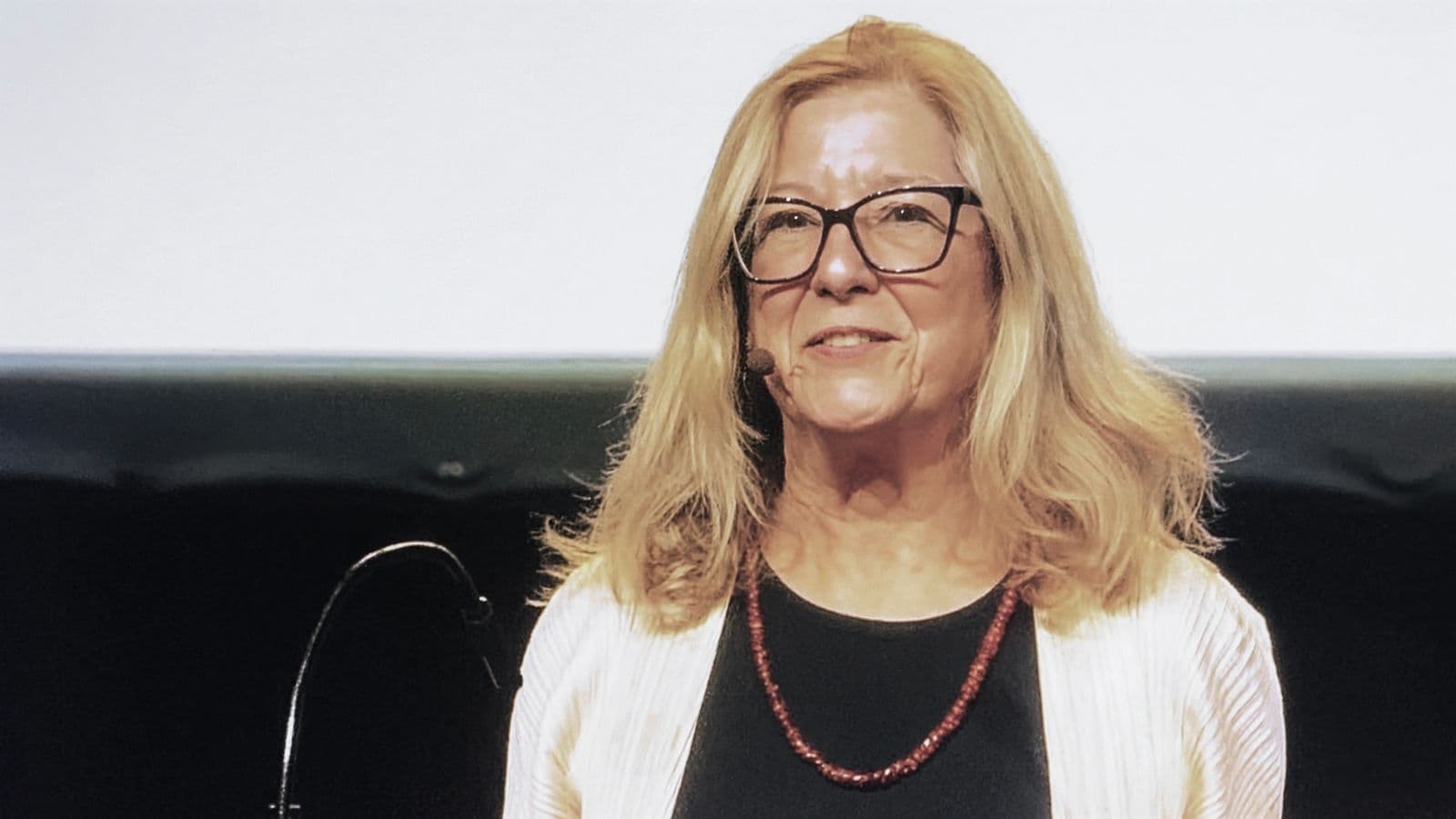
Roger Barker: Beyond the “Breakthrough”
“I don’t think we need a cure,” neuroscientist Roger Barker said. “If you can slow it down by 50 percent and pick people up early on, you’ve probably done it.”
The information in this article is for educational purposes only and is not intended as medical advice. Always consult a qualified healthcare professional for medical questions.
For decades, Parkinson’s researchers have searched for the decisive breakthrough. A cure. A transformative drug. A stem-cell therapy capable of restoring damaged neurons. A biological explanation that could finally bring one of medicine’s most stubborn neurodegenerative diseases under control. Yet Parkinson’s remains resistant to simple solutions.
Clinical trials repeatedly fail. Patients with the same diagnosis often progress in radically different ways. Even basic questions - what exactly Parkinson’s is, where it begins and whether it represents one disease or many - remain unsettled.
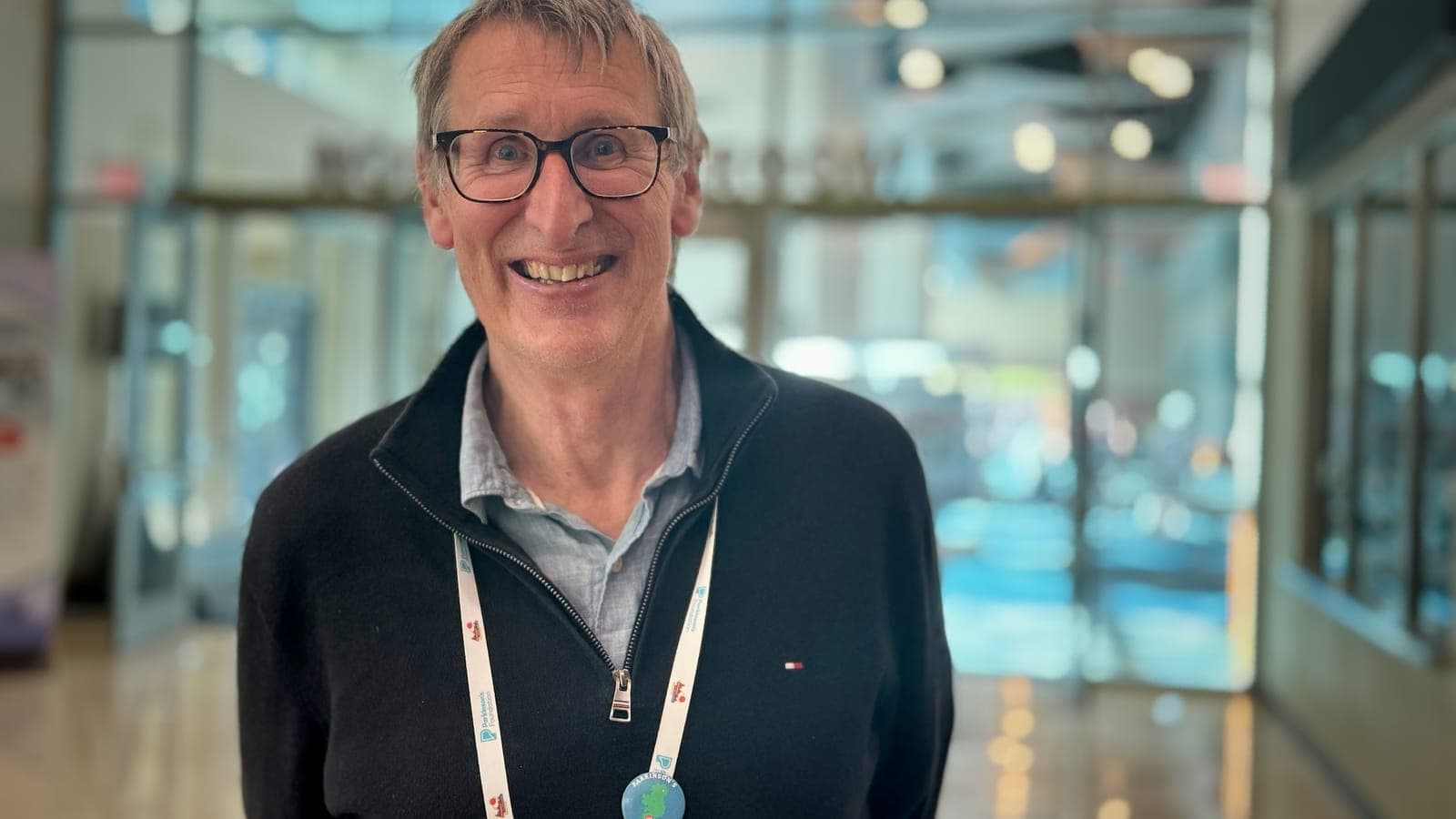
In an interview with The Initiative Magazine, Barker, one of the world’s leading Parkinson’s researchers and a principal investigator in stem-cell replacement therapies, argued that part of the problem may lie in how researchers think about the disease itself.
“The trouble with the word breakthrough,” Barker said, “is it’s used all the time.”
For patients and families, the word carries enormous emotional weight. A breakthrough implies decisive progress - something capable of fundamentally altering the course of disease. But Barker believes Parkinson’s biology may simply be too complex for single discoveries to suddenly solve it.
“Breakthroughs happen all the time,” he said. “But they never seem to take us anywhere.”
If anything, Barker’s outlook is unusually pragmatic. Throughout the interview, he repeatedly returned to the same idea: Parkinson’s may need to be understood less as a singular neurological malfunction and more as a systems-level disorder involving overlapping biological processes unfolding over decades.
That shift in thinking is changing how many researchers approach everything from inflammation and protein aggregation to environmental exposure, clinical trials and stem-cell therapies. It is also reshaping what success itself might ultimately look like.
Also in Profiles
Jimmy Choi at WPC2026: Why Exercise Has Become the Field’s Most Urgent Medicine
Despite decades of research and billions invested, scientists still cannot stop Parkinson’s disease. For now, says endurance athlete and Parkinson’s advocate Jimmy Choi, the most effective intervention available may be something far less futuristic than many has hoped for: Exercise.

Anders M. Leines: After the Image Changed
For more than a decade, Anders M. Leines has documented Parkinson’s from the inside. First, he wanted to change how the disease was seen. Ten years later, he returned to the same people, and found a darker story about time and identity.
Charalampos Tzoulis: Fighting for a Breakthrough in Parkinson’s Disease
Charalampos Tzoulis may very well be one of the hardest-working scientists in the field of Parkinson's research. His single goal: Achieving the first real breakthrough.