Anders M. Leines: After the Image Changed
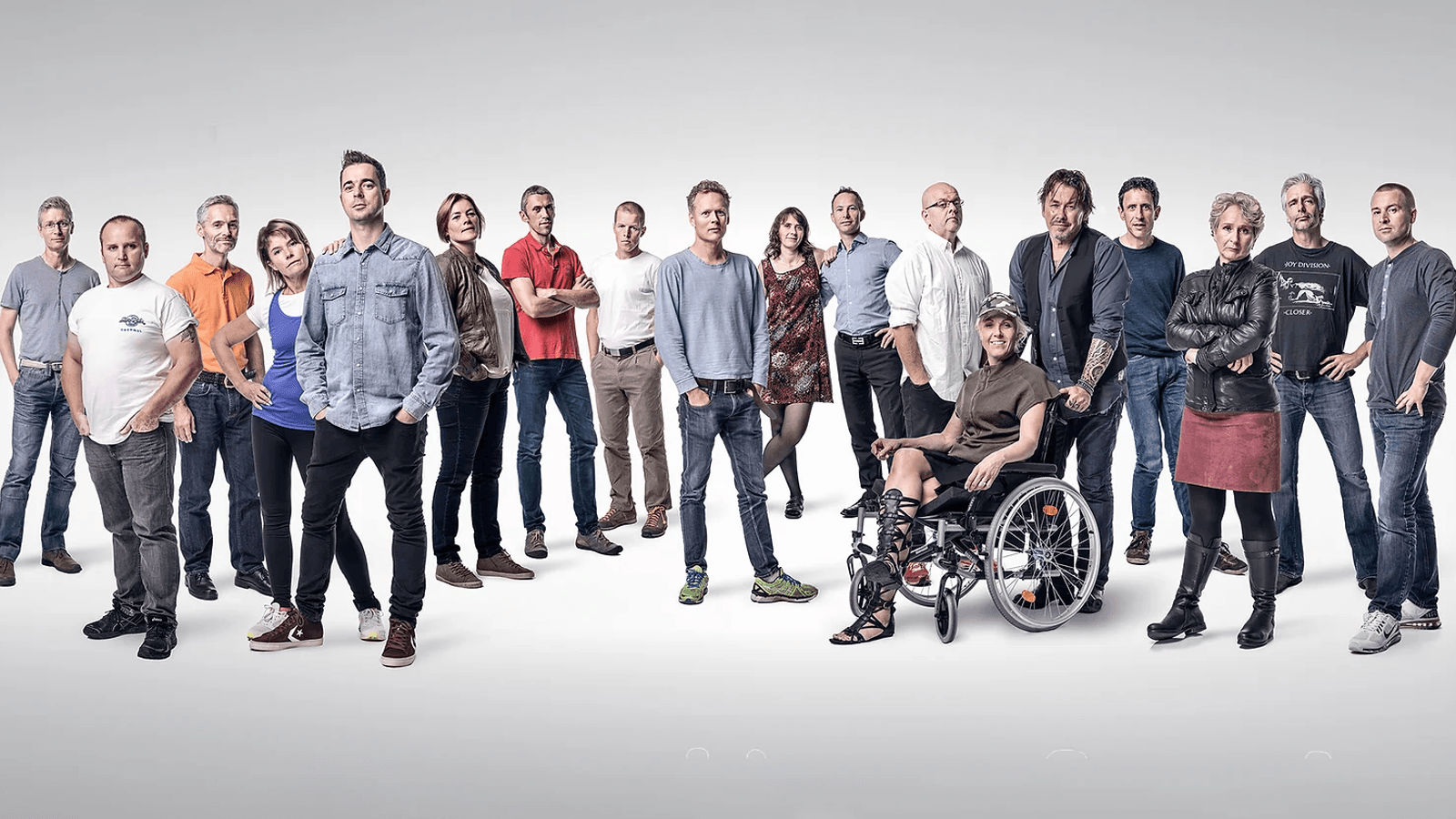
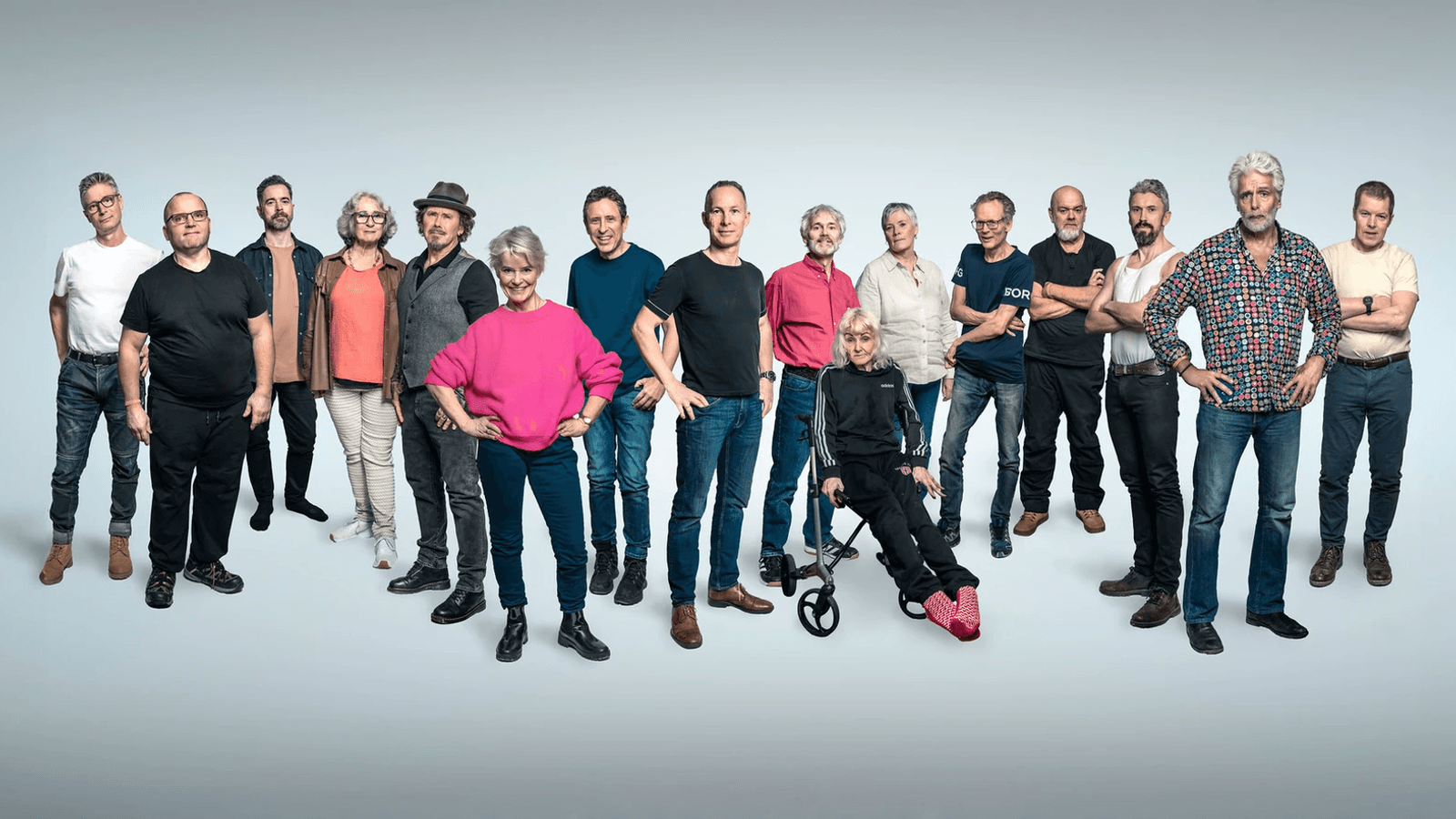
For more than a decade, Anders M. Leines has documented Parkinson’s from the inside. First, he wanted to change how the disease was seen. Ten years later, he returned to the same people, and found a darker story about time and identity.
The information in this article is for educational purposes only and is not intended as medical advice. Always consult a qualified healthcare professional for medical questions.
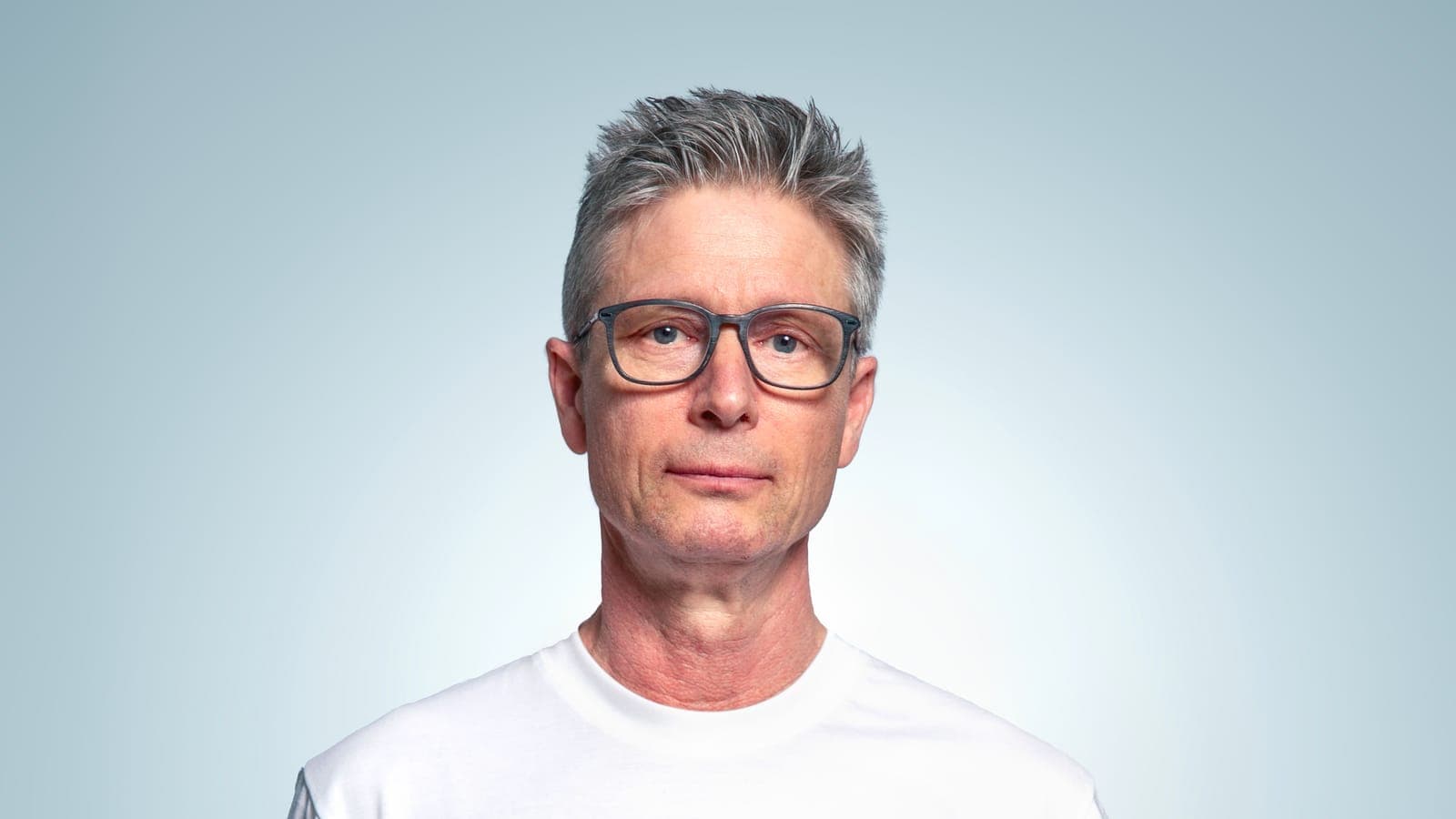
On a bright spring day in Oslo, Anders M. Leines walks through the corridors of NRK, where he has spent much of his working life. Outside, the light is sharp and generous. Inside the studio where we sit down to talk, Leines pulls the curtains shut. The room darkens.
“It’s better like this,” he says.
He has Parkinson’s disease, and light, heat, long conversations, standing too long, being available for too long - all of it has become something to manage. His body is visibly marked by the illness now: the involuntary movements, the pauses, the way speech and expression sometimes seem to arrive half a beat behind intention. Still, he is here. Still moving through the building, greeting colleagues, talking about projects, images, deadlines. Work still matters.
“It has meant a lot,” he says. “It keeps things normal.”
But normality now comes in intervals. He no longer works as much as he wants to. Part of his salary is covered through state sickness benefits. More often, he has to withdraw, find a quiet room, disappear briefly from the pace of the office until his body comes back within reach.
“Parkinson’s makes your world smaller,” he says. “Everything shrinks.”
He says it without drama. But when the interview is over, the fatigue is written across him. Then his phone rings. It is his wife, Annika. He smiles. They talk briefly about dinner. Something ordinary. Something nice. A meal to plan, a day to land in.
For all the public work Leines has done around Parkinson’s - exhibitions, films, interviews, congresses, years spent making the disease visible - there is also a private architecture holding things together: family, routines, work, systems, love. The things that stop a person from becoming only a diagnosis.
Also in Profiles
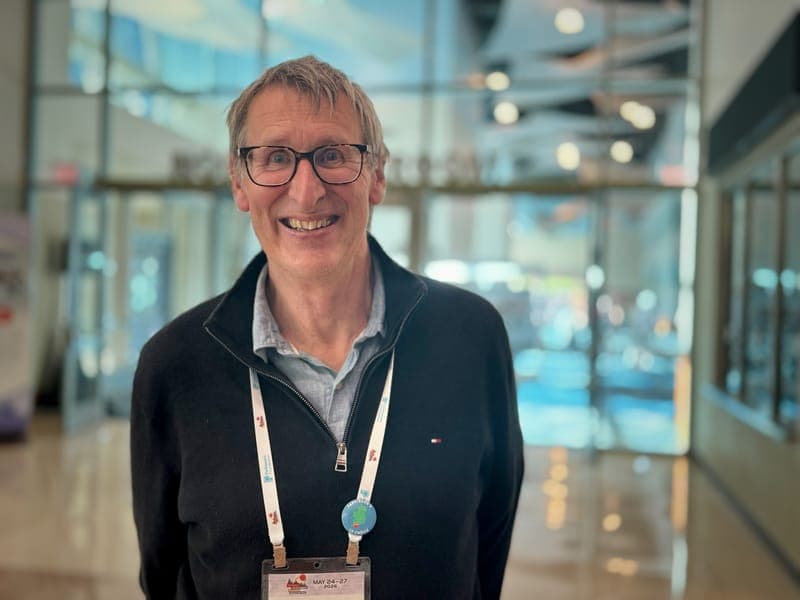
Roger Barker: Beyond the “Breakthrough”
“I don’t think we need a cure,” neuroscientist Roger Barker said. “If you can slow it down by 50 percent and pick people up early on, you’ve probably done it.”
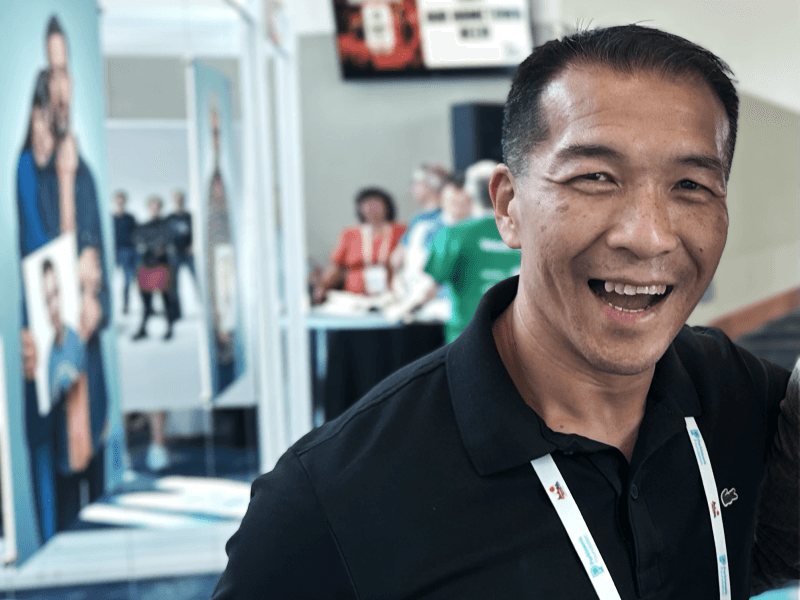
Jimmy Choi at WPC2026: Why Exercise Has Become the Field’s Most Urgent Medicine
Despite decades of research and billions invested, scientists still cannot stop Parkinson’s disease. For now, says endurance athlete and Parkinson’s advocate Jimmy Choi, the most effective intervention available may be something far less futuristic than many has hoped for: Exercise.
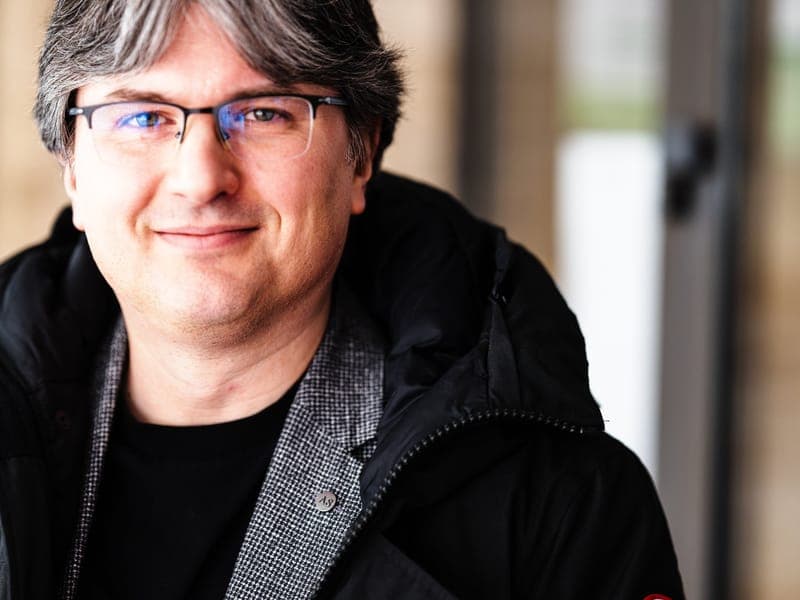
Charalampos Tzoulis: Fighting for a Breakthrough in Parkinson’s Disease
Charalampos Tzoulis may very well be one of the hardest-working scientists in the field of Parkinson's research. His single goal: Achieving the first real breakthrough.