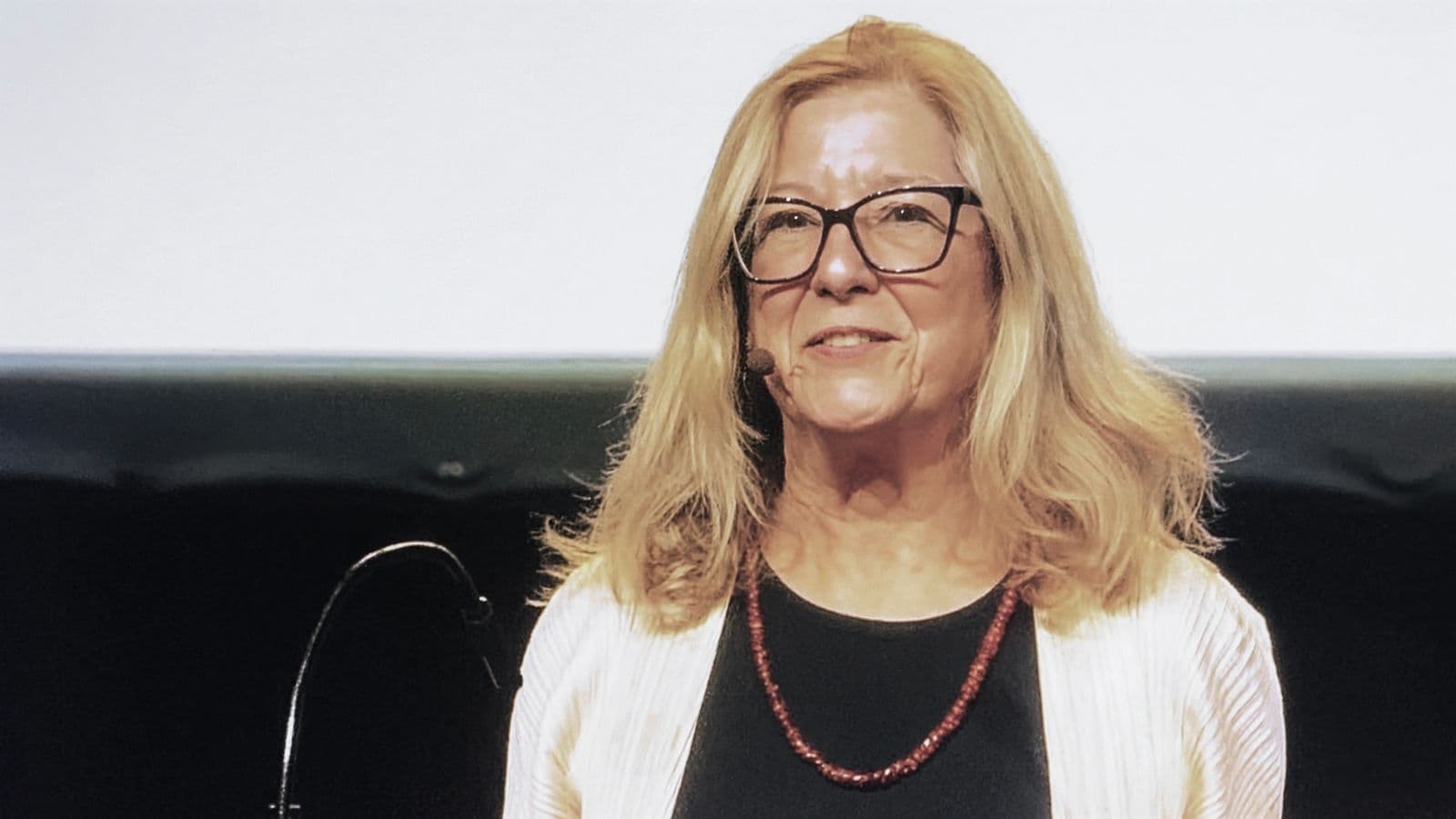
Jimmy Choi at WPC2026: Why Exercise Has Become the Field’s Most Urgent Medicine
Despite decades of research and billions invested, scientists still cannot stop Parkinson’s disease. For now, says endurance athlete and Parkinson’s advocate Jimmy Choi, the most effective intervention available may be something far less futuristic than many has hoped for: Exercise.
The information in this article is for educational purposes only and is not intended as medical advice. Always consult a qualified healthcare professional for medical questions.
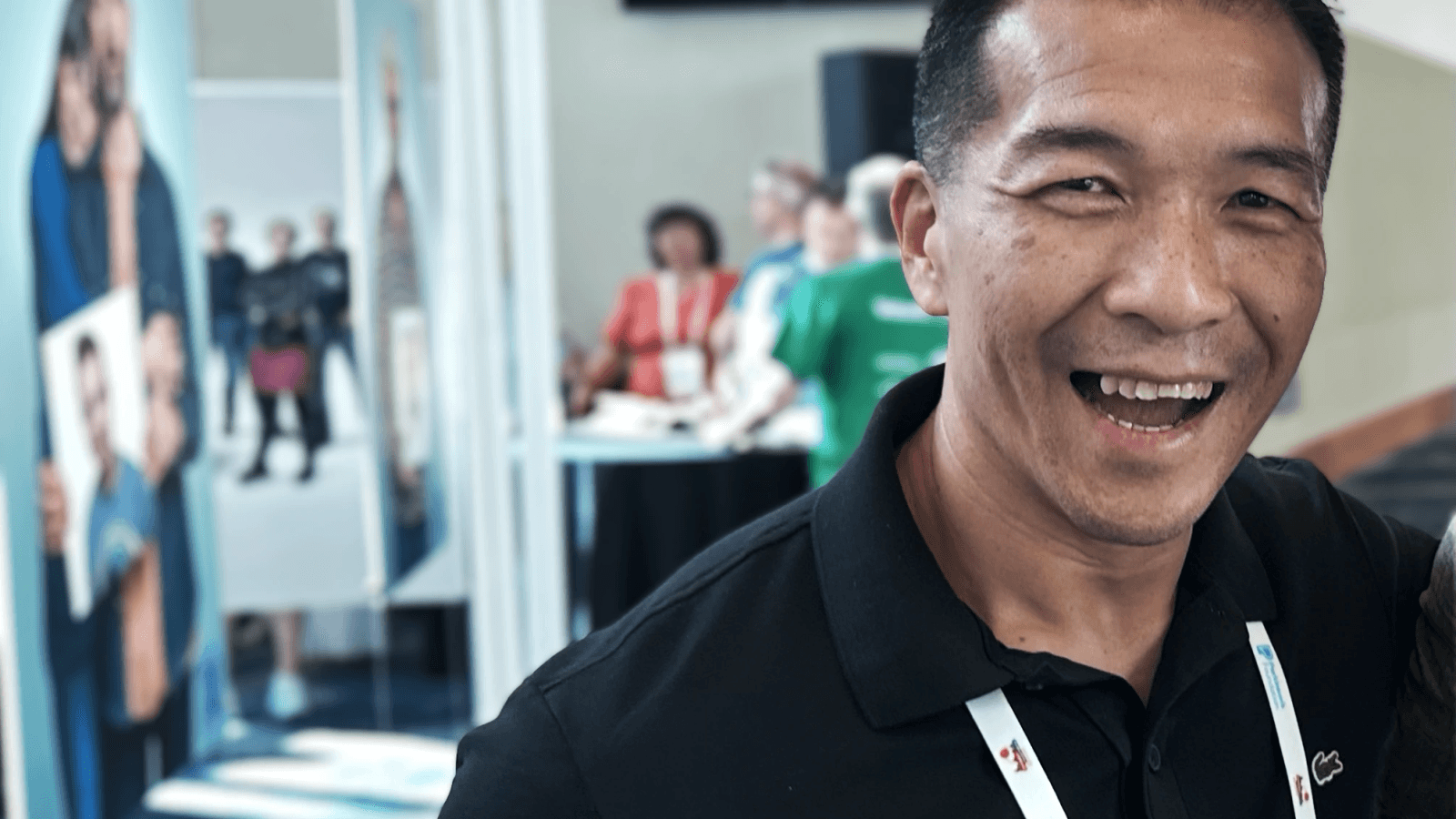
The Initiative Magazine met Choi at World Parkinson Congress 2026, where thousands of neurologists, researchers, clinicians and people living with Parkinson’s gathered to discuss the future of the disease.
“The best thing people can do to stay strong and remain functional is exercise,” Choi says.
Among the crowds moving carefully through the convention halls Choi stood out immediately. Athletic. Focused. More like an elite endurance coach than someone living with a progressive neurodegenerative disorder. And yet Parkinson’s remained impossible to miss.
The tremors were visible. So were the involuntary movements cutting through his posture and gestures. But what stood out even more was how physically functional he remained, and how mentally sharp and engaged he seemed in every interaction.
People constantly stopped him for selfies, quick conversations or encouragement. Choi moved through the conference with the ease of someone who has become a symbol for others. That role now extends far beyond motivational speaking or social media inspiration.
Ninja Warrior
Diagnosed with young-onset Parkinson’s at 27, Choi went from struggling to walk without assistance to becoming an endurance athlete, marathon runner and multiple-time competitor on NBC’s tv-show American Ninja Warrior. Over the years, he has completed more than 100 half-marathons, numerous marathons and ultramarathons, triathlons and obstacle races.
Also in Profiles
Roger Barker: Beyond the “Breakthrough”
“I don’t think we need a cure,” neuroscientist Roger Barker said. “If you can slow it down by 50 percent and pick people up early on, you’ve probably done it.”

Anders M. Leines: After the Image Changed
For more than a decade, Anders M. Leines has documented Parkinson’s from the inside. First, he wanted to change how the disease was seen. Ten years later, he returned to the same people, and found a darker story about time and identity.
Charalampos Tzoulis: Fighting for a Breakthrough in Parkinson’s Disease
Charalampos Tzoulis may very well be one of the hardest-working scientists in the field of Parkinson's research. His single goal: Achieving the first real breakthrough.