Profiles
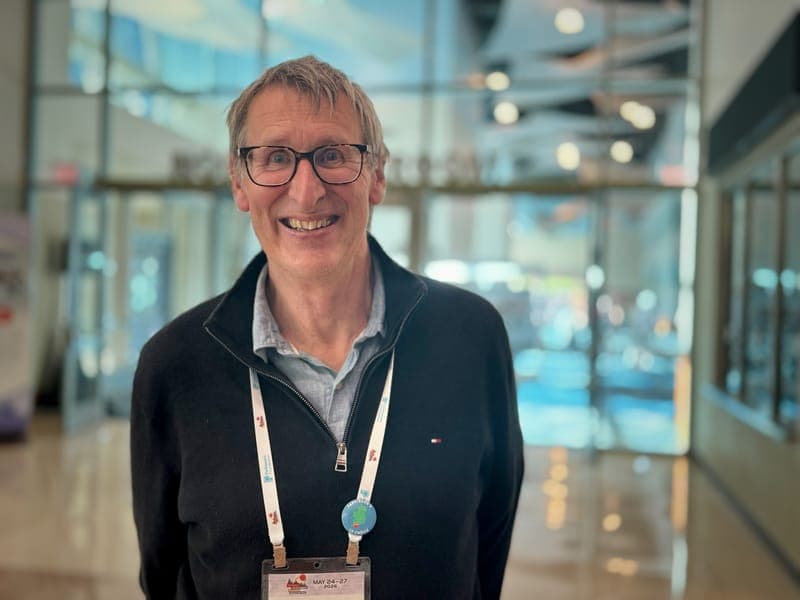
Roger Barker: Beyond the “Breakthrough”
“I don’t think we need a cure,” neuroscientist Roger Barker said. “If you can slow it down by 50 percent and pick people up early on, you’ve probably done it.”
The scientists shaping the field of neuroscience
“I don’t think we need a cure,” neuroscientist Roger Barker said. “If you can slow it down by 50 percent and pick people up early on, you’ve probably done it.”
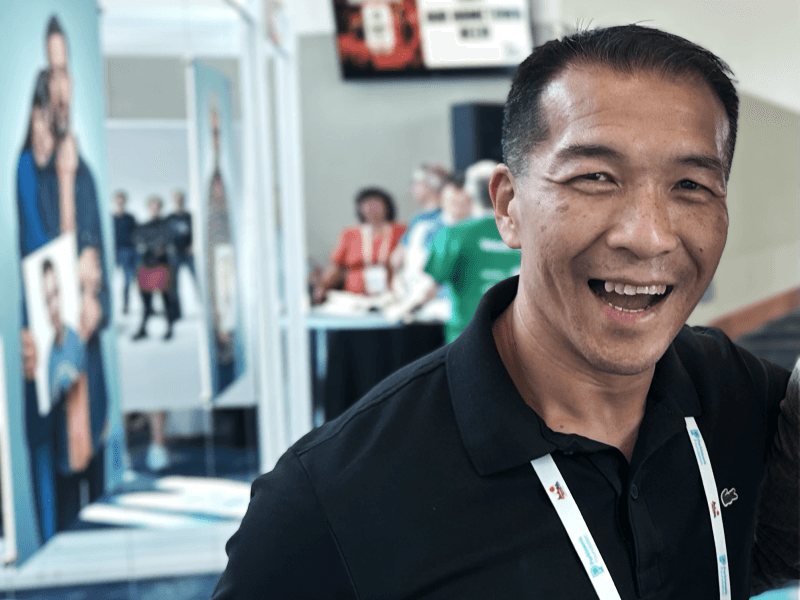
Despite decades of research and billions invested, scientists still cannot stop Parkinson’s disease. For now, says endurance athlete and Parkinson’s advocate Jimmy Choi, the most effective intervention available may be something far less futuristic than many has hoped for: Exercise.

For more than a decade, Anders M. Leines has documented Parkinson’s from the inside. First, he wanted to change how the disease was seen. Ten years later, he returned to the same people, and found a darker story about time and identity.
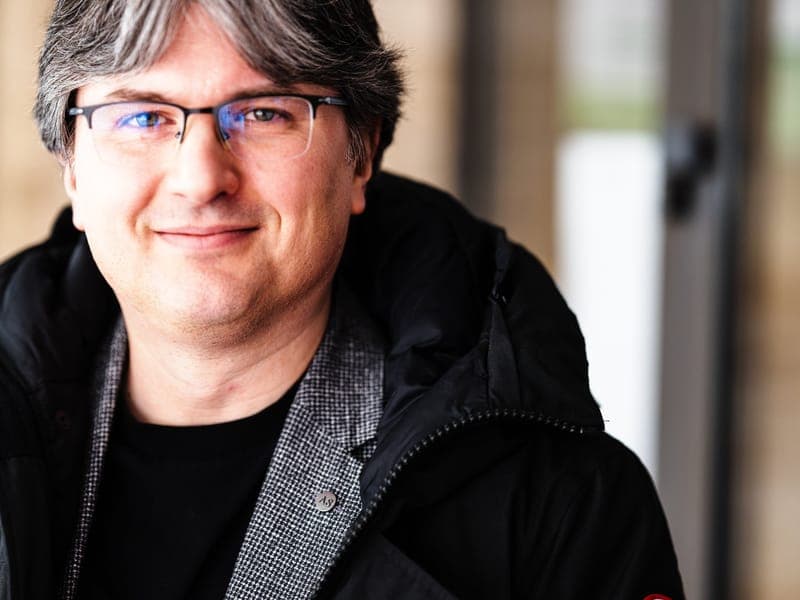
Charalampos Tzoulis may very well be one of the hardest-working scientists in the field of Parkinson's research. His single goal: Achieving the first real breakthrough.
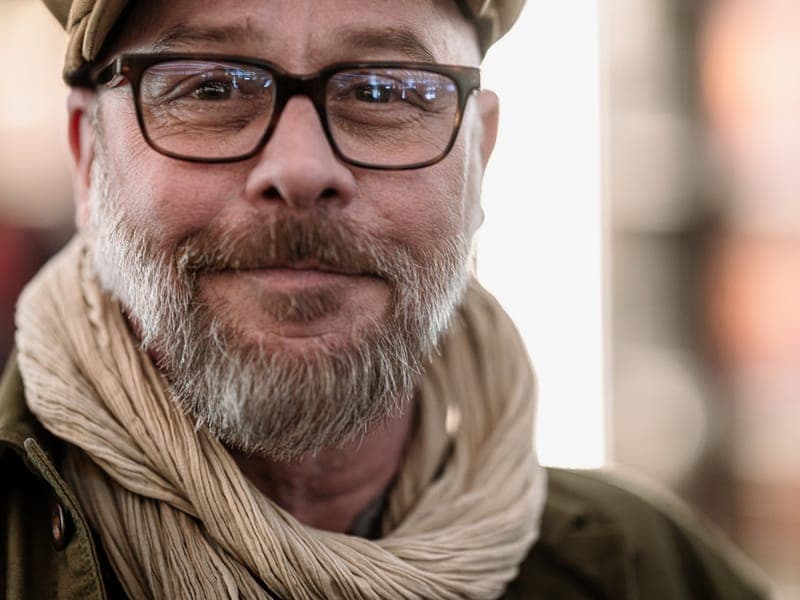
Most researchers are trying to slow the progression of Parkinson’s disease or alleviate its symptoms. Professor Johan Ericson is attempting something far more radical: Growing new dopamine-producing cells at an industrial scale, then implanting them into the brain. Thus restoring function in patients suffering from Parkinson's.