Bas Bloom: The Era of Personalized Parkinson's Has Begun
For one of the world’s leading Parkinson’s researchers, Bas Bloem, the future of the field begins with a radical shift in perspective: Parkinson’s is not one disease, but millions.
The information in this article is for educational purposes only and is not intended as medical advice. Always consult a qualified healthcare professional for medical questions.
Parkinson's disease is one of the fastest-growing neurological conditions on the planet. Yet for many people living with Parkinson's, the fundamental question remains unchanged: where is the breakthrough?
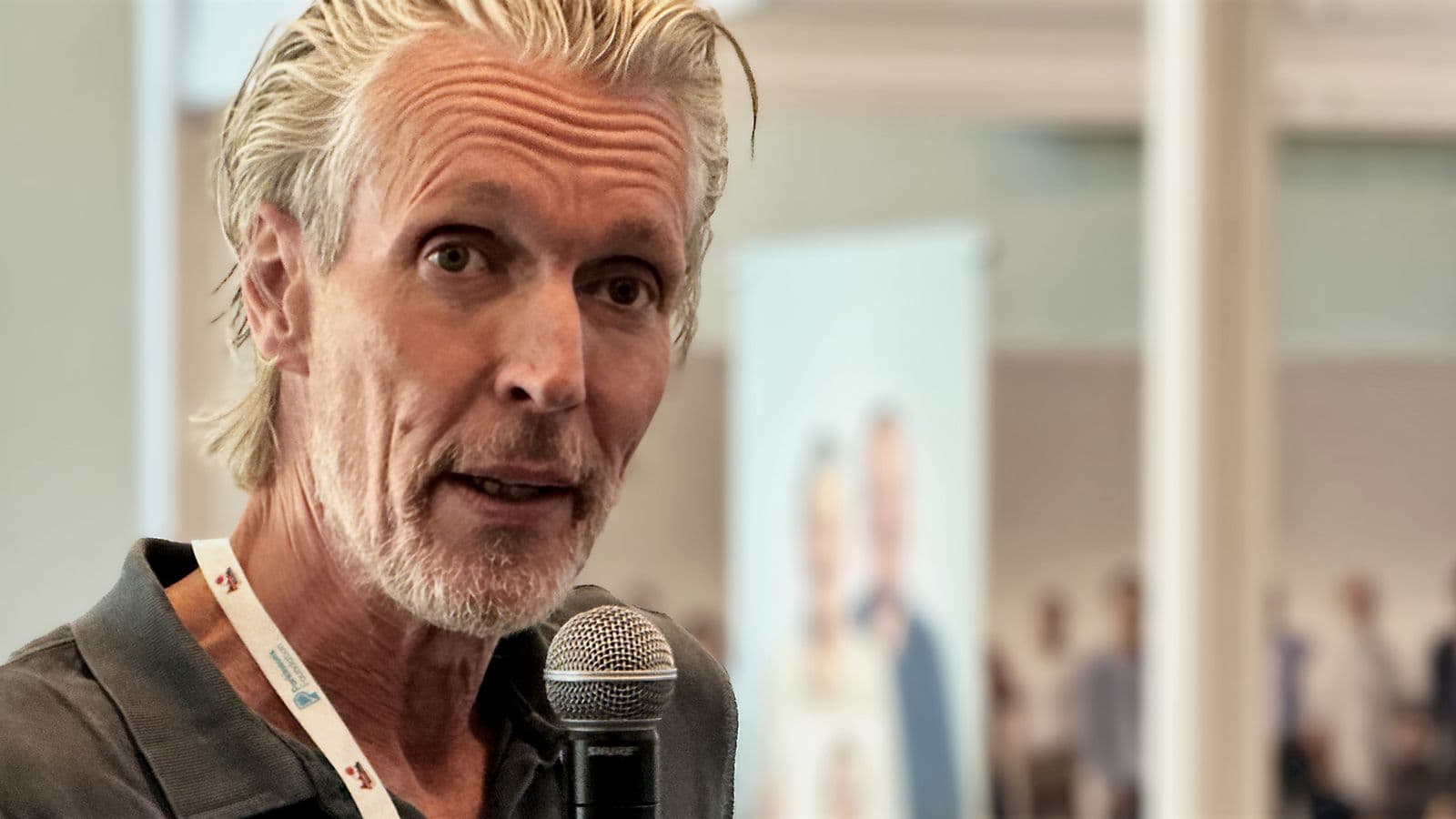
Bas Bloom, a professor of neurology associated with Radboud University Medical Center in Nijmegen, the Netherlands , understands the frustration. "The cornerstone of treatment is still a drug introduced in 1967," he says in an interview with The Initiative Magazine. But from his perspective, as a neurologist and one of the world's most influential voices in Parkinson's medicine, focusing solely on the absence of a cure risks overlooking a profound transformation already underway.
"Parkinson's today is radically different from twenty years ago," Bloem says. "We have gone from monodisciplinary to multidisciplinary care. We have gone from doctor-driven care to patient-centered care and shared decision-making."
The field has produced remarkable advances in neuroscience, genetics and brain imaging. There is now deep brain surgery, as a viable option for well-selected patients. Researchers have uncovered multiple disease-associated genes. Biomarkers are beginning to transform diagnosis. Stem-cell therapies might be entering clinical practice. These developments are less dramatic than a miracle cure, but according to Bloem they still point toward something important: the beginning of the era of personalized Parkinson's medicine.
12 million Parkinson's Diseases
Patients may present differently, symptoms may vary, progression may differ. Yet the underlying Parkinson's has largely been treated as a single disorder. Bloem believes that assumption is beginning to collapse.
Also in Parkinson's Disease
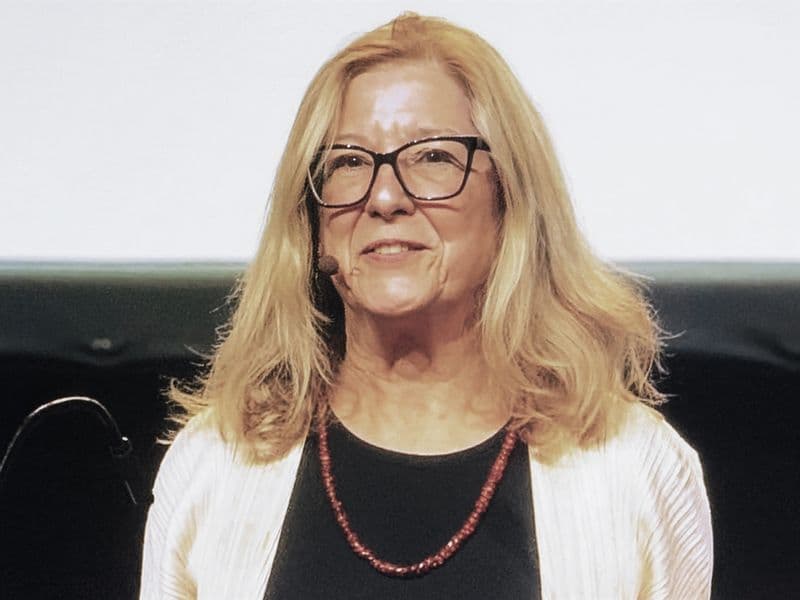
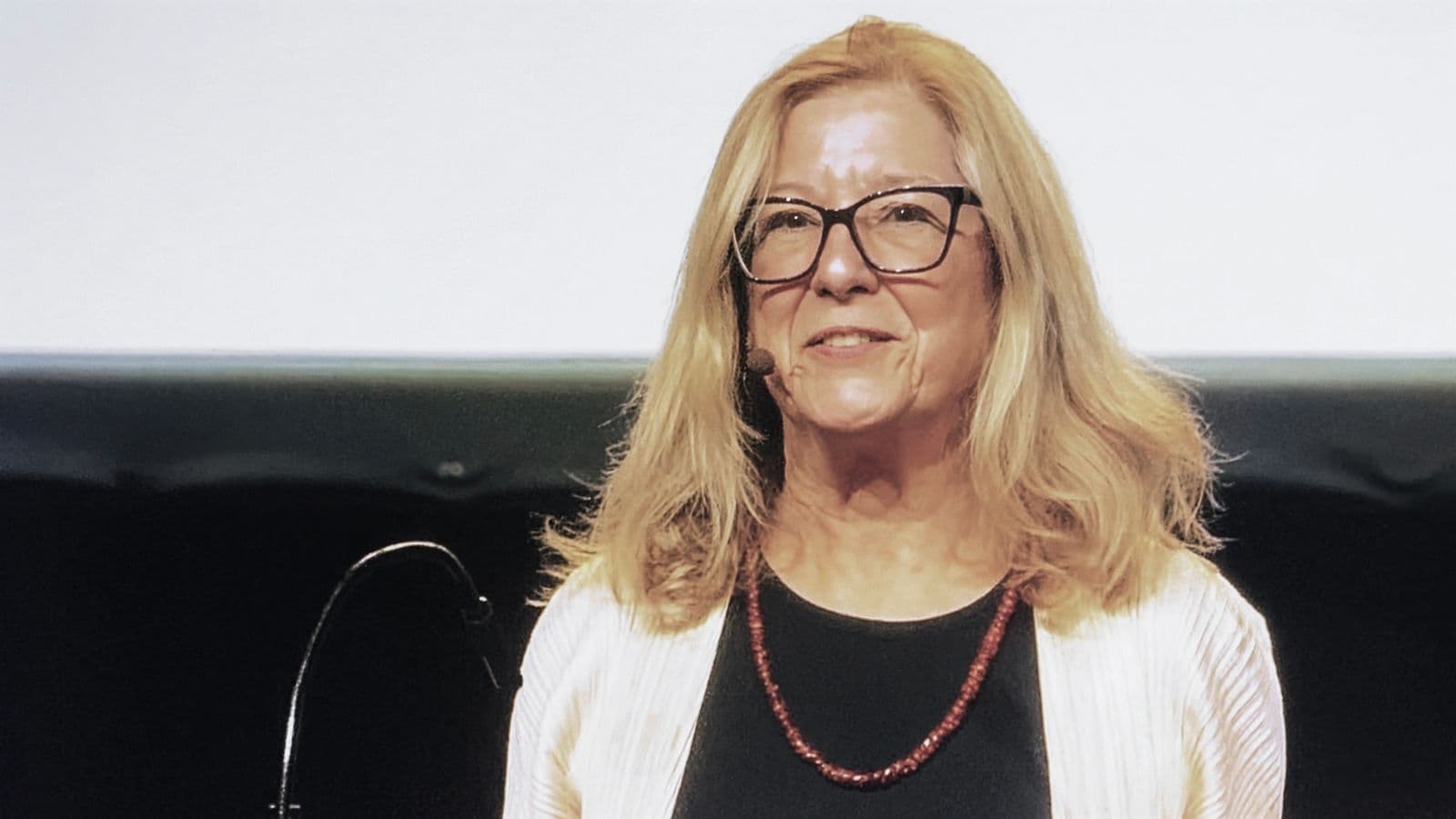
Claire Henchcliffe: Rebuilding the Parkinson’s Brain
Parkinson’s treatment has so far largely meant replacing lost dopamine. Neurologist Claire Henchcliffe is helping test a far more ambitious idea: rebuilding damaged brain circuits themselves.

Editor’s Note: Why We’re Building The Initiative
How we accidentally became the founders of a Magazine.
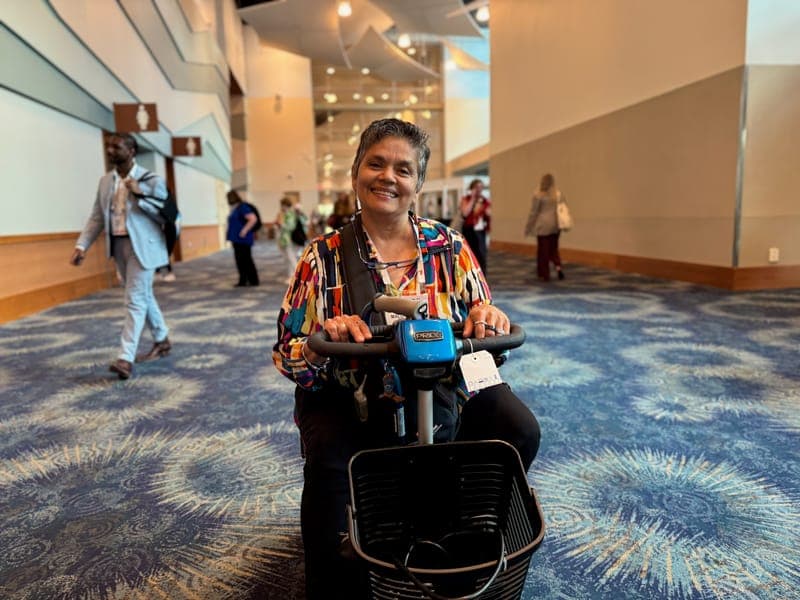
The New President of WPC: Malú Gámez Tansey - This is the Beginning of the End
Parkinson’s disease has long been understood through dying neurons and misfolded alpha-synuclein. Neuroscientist Malú Gámez Tansey believes chronic inflammation may be one of the central forces driving the disease.
-1600x900.jpg&w=3840&q=75&dpl=dpl_4CAtuq8MaPURgt9rkVKW5puDzFR8)