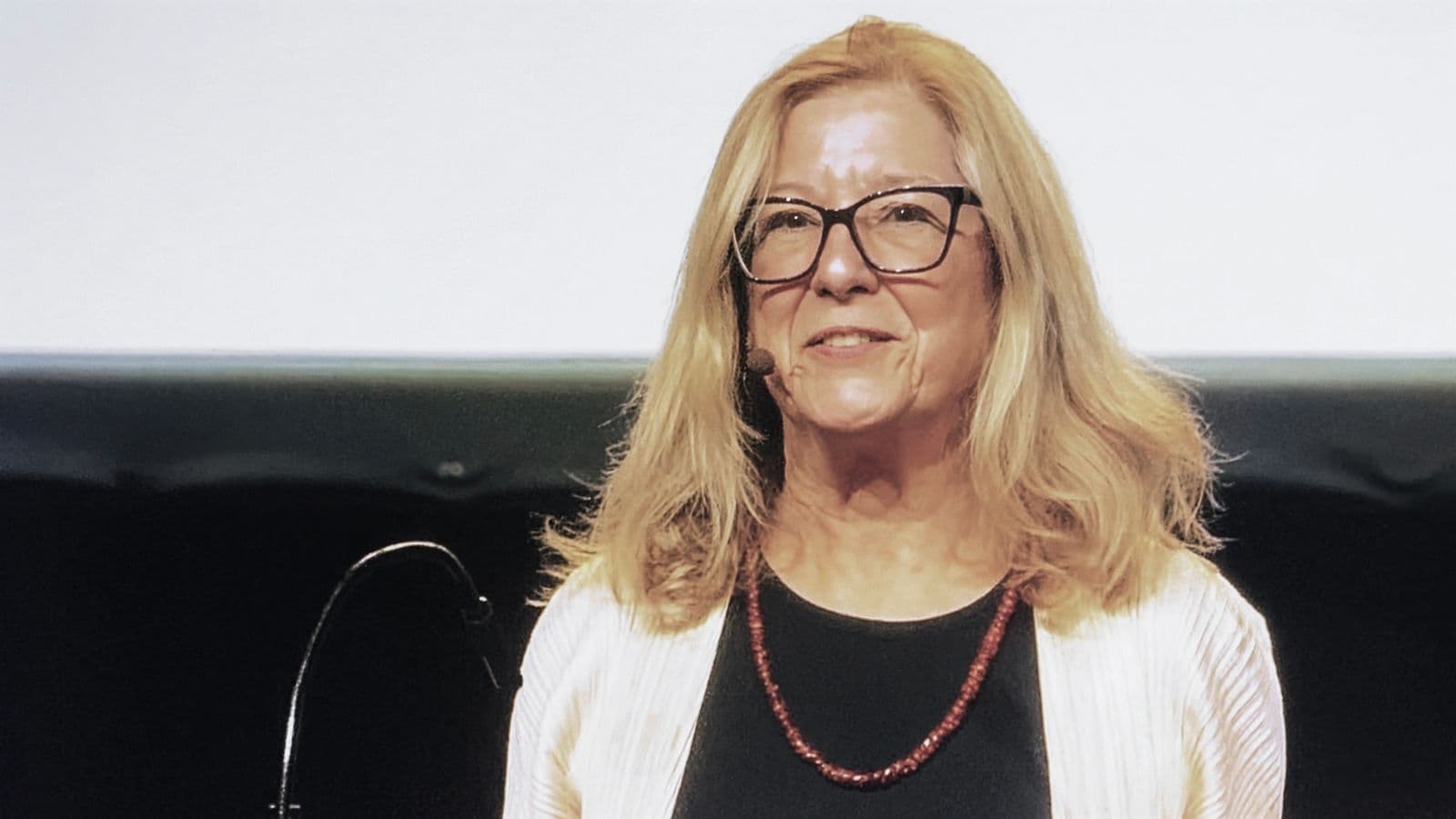
The New President of WPC: Malú Gámez Tansey - This is the Beginning of the End
Parkinson’s disease has long been understood through dying neurons and misfolded alpha-synuclein. Neuroscientist Malú Gámez Tansey believes chronic inflammation may be one of the central forces driving the disease.
The information in this article is for educational purposes only and is not intended as medical advice. Always consult a qualified healthcare professional for medical questions.
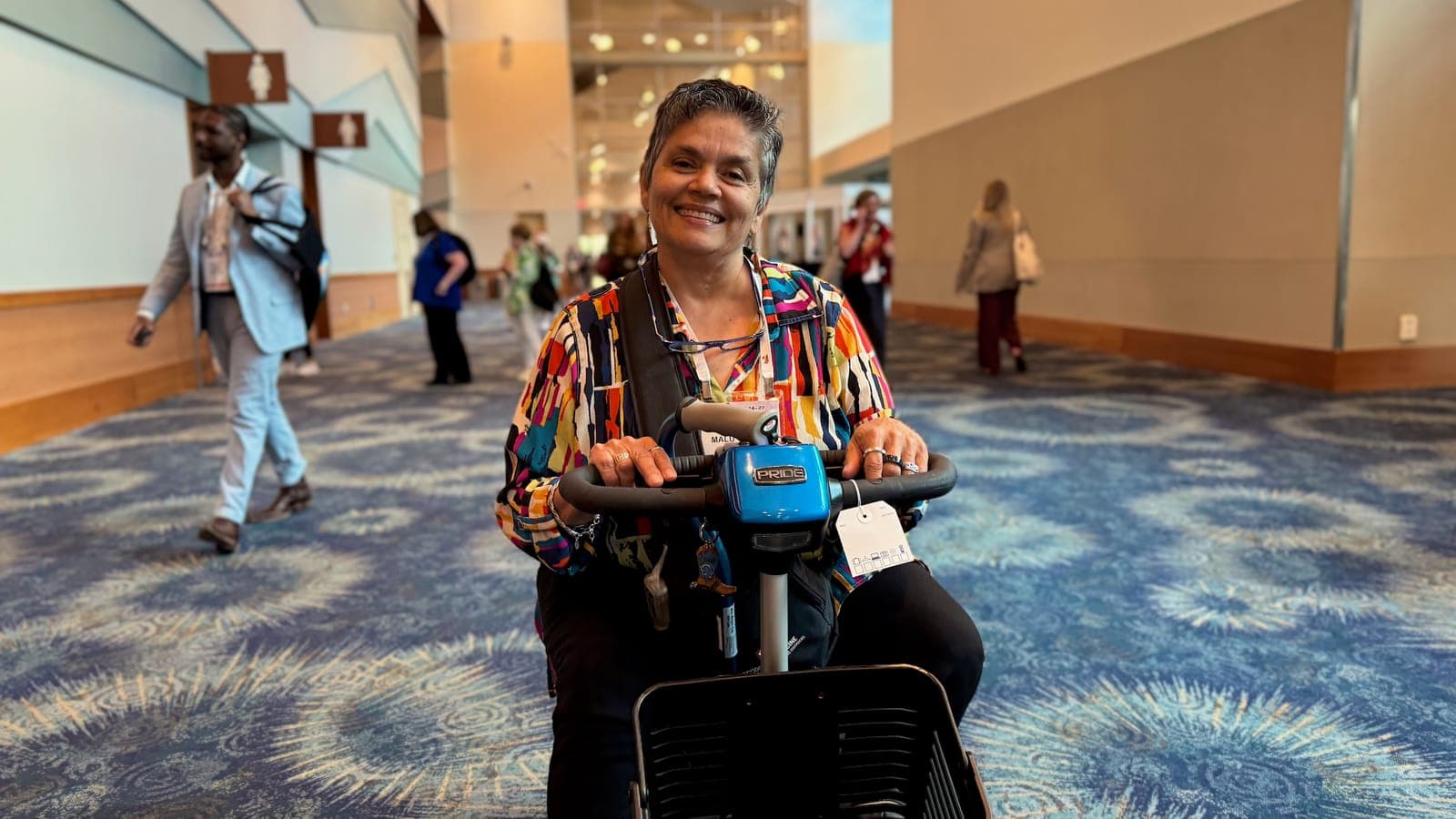
For decades, Parkinson’s disease has been understood primarily as a disorder of dying neurons.
Deep inside the brain, dopamine-producing cells progressively fail. Movement slows. Tremors emerge. Muscles stiffen. Protein clumps known as alpha-synuclein accumulate inside vulnerable neurons. The disease appeared to follow a relatively straightforward neurological logic: neurons degenerate, dopamine disappears and movement deteriorates.
Increasingly, however, researchers are beginning to view Parkinson’s through a much broader biological framework - one involving not only neurons, but immune systems, metabolism, mitochondria, the gut microbiome and environmental exposure.
In an interview with The Initiative Magazine, neuroscientist Malú Gámez Tansey - one of the most influential researchers in Parkinson’s disease and the new president of the World Parkinson Congress - argued that chronic immune dysfunction may help drive the disease long before classical symptoms emerge.
“We started out very neuron-centric,” Tansey said.
“And we have neglected the caretakers.”
By caretakers, she means the non-neuronal systems that maintain the brain’s environment: immune cells, glial cells, metabolic pathways and inflammatory signaling networks that help neurons survive - or fail.
“Neurons don’t die alone and neurons don’t survive alone.”
That deceptively simple statement captures one of the most significant conceptual shifts now underway in Parkinson’s research. Increasingly, scientists are beginning to treat Parkinson’s less as an isolated neurological disorder and more as a systems-level disease involving interactions between the brain and the rest of the body.
Also in Parkinson's Disease
Claire Henchcliffe: Rebuilding the Parkinson’s Brain
Parkinson’s treatment has so far largely meant replacing lost dopamine. Neurologist Claire Henchcliffe is helping test a far more ambitious idea: rebuilding damaged brain circuits themselves.
Bas Bloom: The Era of Personalized Parkinson's Has Begun
For one of the world’s leading Parkinson’s researchers, Bas Bloem, the future of the field begins with a radical shift in perspective: Parkinson’s is not one disease, but millions.

Editor’s Note: Why We’re Building The Initiative
How we accidentally became the founders of a Magazine.