Inside WPC2026: The Changing Future of Parkinson’s Disease
At the opening of the World Parkinson Congress 2026, the mood inside the convention halls felt split between optimism and realism.
The information in this article is for educational purposes only and is not intended as medical advice. Always consult a qualified healthcare professional for medical questions.
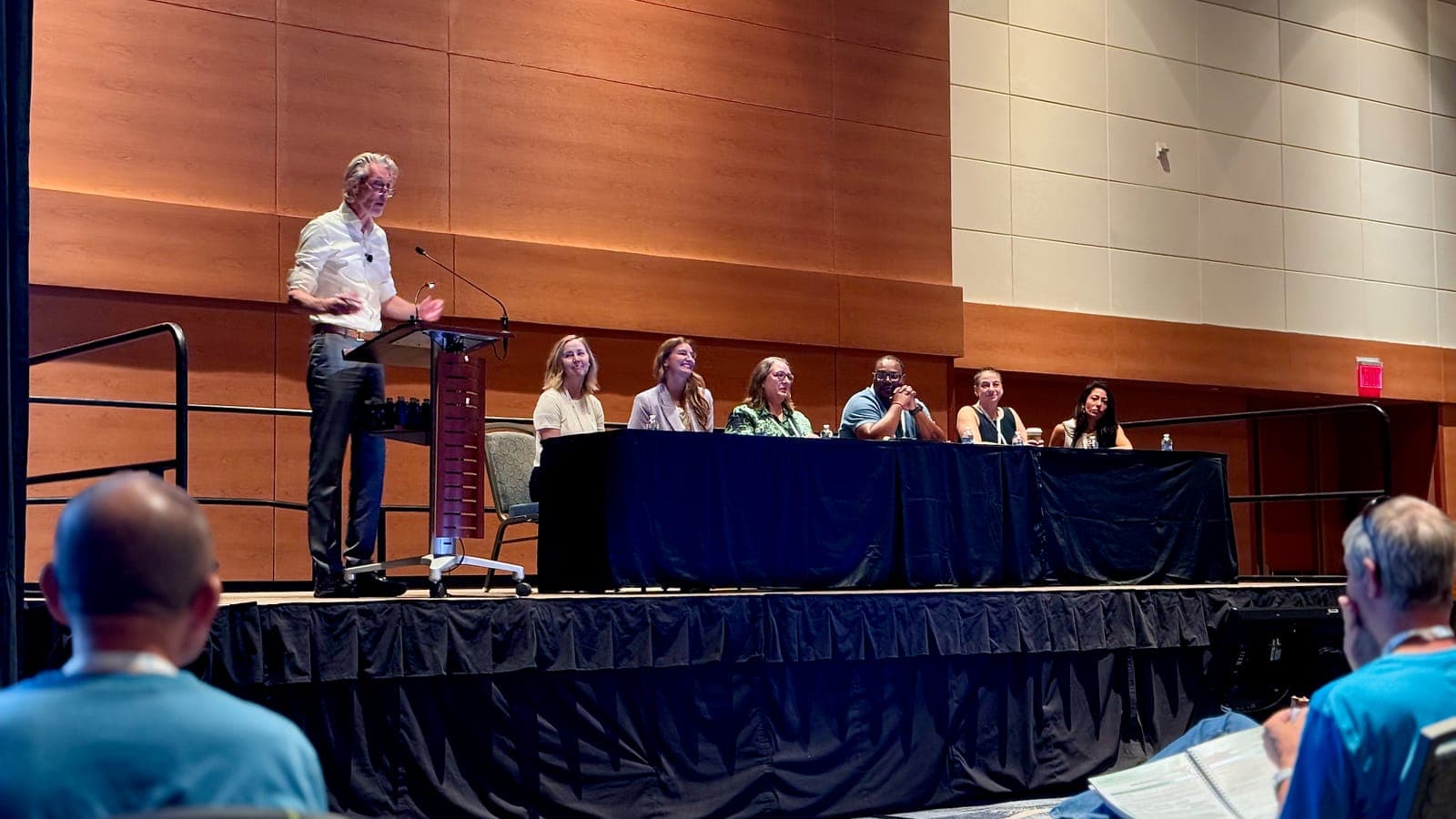
Thousands of neurologists, researchers, clinicians and people living with Parkinson’s had gathered in Phoenix for what has become one of the world’s most influential meetings on the disease. The programme was saturated with the language of scientific ambition: biomarkers, alpha-synuclein testing, genetics, precision medicine and disease subtyping.
But when Dutch neurologist Bastiaan Bloem stepped onto the stage for the opening session, the message he delivered was notably less triumphant than the futuristic language surrounding much of the congress.
“We are faced with a situation where one trial after the other with drugs is negative,” Bloem told the packed auditorium.
The remark landed heavily.
Biological redefinition
Few figures in Parkinson’s medicine currently command the kind of authority Bloem carries inside the field. In the corridors outside one of the main halls, attendees queued almost immediately after his session ended - for photographs, handshakes, brief conversations and reassurance. Part neurologist, part public advocate, Bloem has become one of the most recognizable public faces in global Parkinson’s care.
That visibility gave additional weight to what amounted, in many ways, to a public acknowledgement of the field’s central frustration. Despite decades of research, enormous pharmaceutical investment and extraordinary advances in neuroscience, researchers still cannot stop Parkinson’s disease.
Also in Parkinson's Disease
Claire Henchcliffe: Rebuilding the Parkinson’s Brain
Parkinson’s treatment has so far largely meant replacing lost dopamine. Neurologist Claire Henchcliffe is helping test a far more ambitious idea: rebuilding damaged brain circuits themselves.
Bas Bloom: The Era of Personalized Parkinson's Has Begun
For one of the world’s leading Parkinson’s researchers, Bas Bloem, the future of the field begins with a radical shift in perspective: Parkinson’s is not one disease, but millions.

Editor’s Note: Why We’re Building The Initiative
How we accidentally became the founders of a Magazine.