A Bacterium, a Disease, and the Temptation to Say ‘Cause’
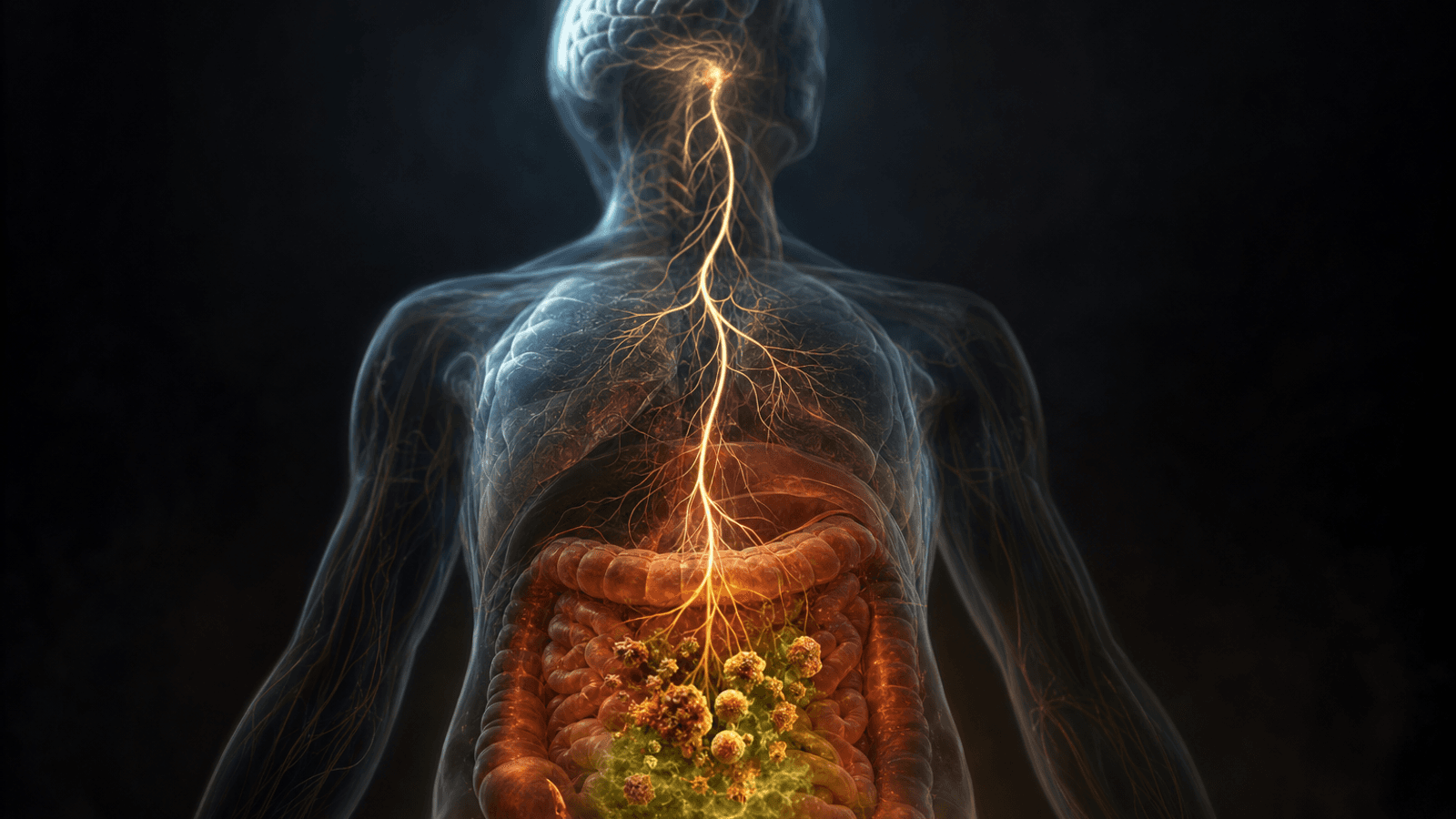
Desulfovibrio is the kind of microbe most people have never heard of, yet it showed up more often and in higher amounts in the sickest among Parkinson’s patients. The temptation is obvious: if a suspicious bacterium tracks disease severity, maybe it helps cause the disease.
The information in this article is for educational purposes only and is not intended as medical advice. Always consult a qualified healthcare professional for medical questions.
Summary
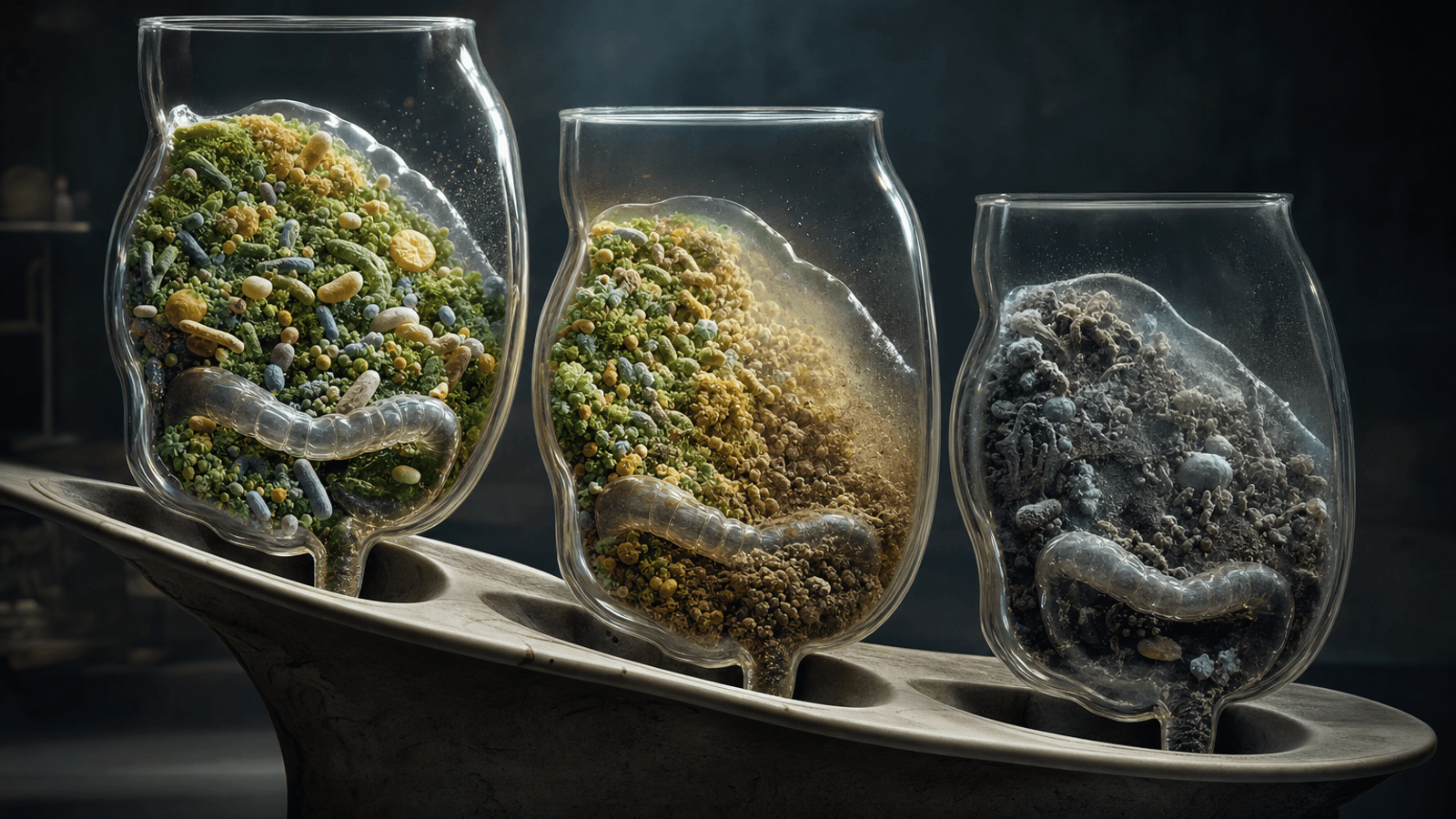
This article explores the compelling link between the gut microbiome—specifically the bacterium *Desulfovibrio*—and Parkinson’s disease. While high levels of this microbe correlate with disease severity, scientists are investigating whether it is a cause or a consequence. Readers will learn: - **Early Indicators:** Healthy individuals with genetic risks show Parkinson's-like gut changes before symptoms appear. - **Potential Mechanisms:** Bacteria may release toxins that trigger protein misfolding in the gut, which then travels to the brain. - **Future Implications:** Proving causation could revolutionize treatments, shifting focus from the brain to gut ecology.
Also in Parkinson's Disease

Claire Henchcliffe: Rebuilding the Parkinson’s Brain
Parkinson’s treatment has so far largely meant replacing lost dopamine. Neurologist Claire Henchcliffe is helping test a far more ambitious idea: rebuilding damaged brain circuits themselves.

Bas Bloom: The Era of Personalized Parkinson's Has Begun
For one of the world’s leading Parkinson’s researchers, Bas Bloem, the future of the field begins with a radical shift in perspective: Parkinson’s is not one disease, but millions.

Editor’s Note: Why We’re Building The Initiative
How we accidentally became the founders of a Magazine.